
Arabia Finland Ceramics Brand

Born in 1873 amidst the rugged beauty of Helsinki, Arabia Finland has spent over 150 years transforming humble clay into the very heartbeat of Nordic design. This legendary ceramics house rose from a small suburban factory to become Europe’s porcelain powerhouse, defining the Finnish aesthetic one timeless plate at a time. From the gold-medal triumphs of the 1900 Paris World Fair to the revolutionary minimalism of Kaj Franck, the brand seamlessly blends historical grandeur with modern functionality. Every piece carries a legacy of resilience and artistry, crafted to endure as a cherished staple in homes from the Presidential Residence to the everyday kitchen table. Today, as a cornerstone of the Fiskars family, Arabia continues to honor its heritage by creating durable, soul-stirring tableware that turns the simple act of dining into a celebration of Finnish culture.

Top Arabia Finland Ceramics

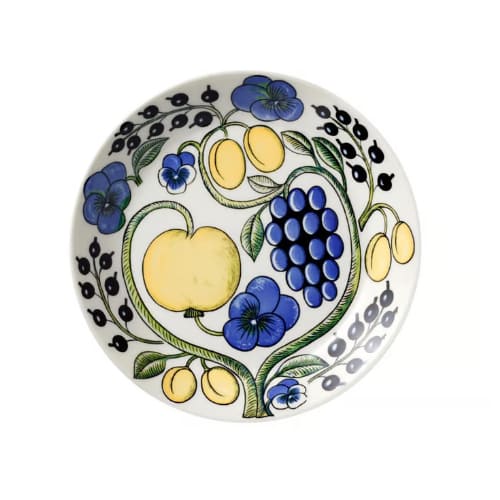
Arabia Finland Paratiisi

This iconic series, designed by Birger Kaipiainen in 1969, features lush floral and fruit patterns that have made it one of the most recognizable and beloved symbols of Finnish ceramic art.

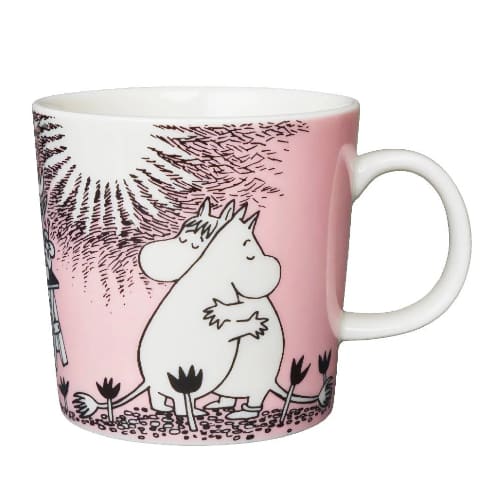
Arabia Finland Moomin Mugs

These globally collected ceramics bring Tove Jansson’s whimsical characters to life on the classic “Teema” shape, blending nostalgic storytelling with high-quality functional design.

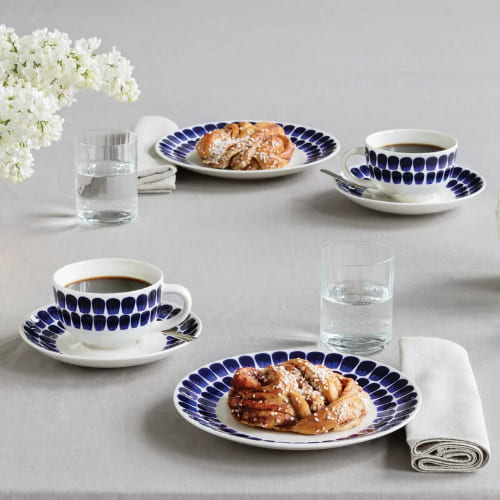
Arabia Finland 24h Tuokio

Designed to be used every hour of the day, this contemporary classic combines Heikki Orvola’s versatile forms with a hand-painted petal motif that merges traditional craftsmanship with modern simplicity.

Arabia Finland transforms the simple ritual of dining into a gallery-worthy experience through its mastery of Nordic craftsmanship and timeless ceramic artistry.
Product Categories

Experience the perfect harmony of heritage and utility with our expertly curated ceramic collections.

Tableware and Kitchenware

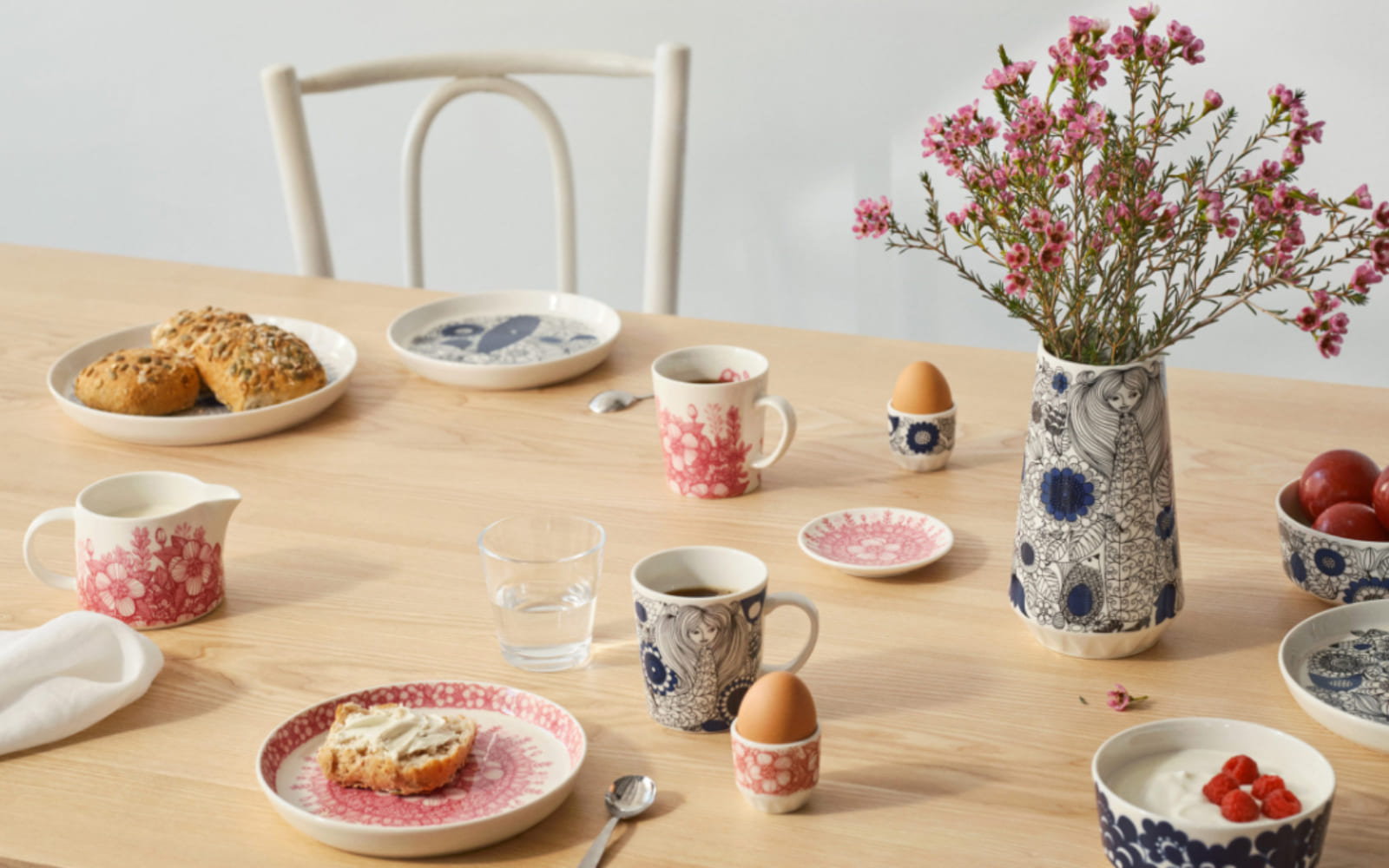
Our porcelain and faience collections, featuring iconic lines like the lush Paratiisi patterns, offer durable plates, bowls, and cups designed to withstand the rigors of daily use while maintaining a sophisticated aesthetic.

Decorative Art Pottery

This category showcases the brand’s creative soul through striking vases and ornamental pieces that blend historical Scandinavian motifs with organic, nature-inspired designs.


Customer Experiences

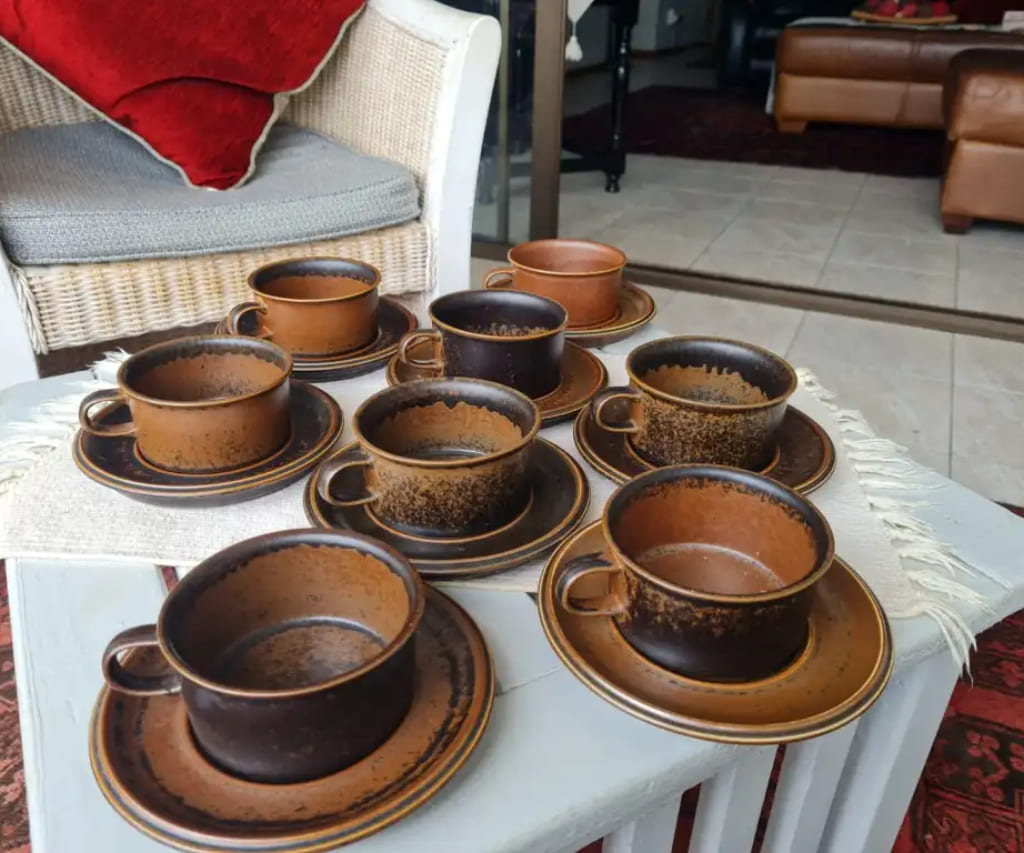
Helena Virtanen I recently inherited a set of vintage Arabia Finland teacups from the 1960s, and I am absolutely blown away by how they have retained their luster after decades of use. The weight of the porcelain feels substantial yet elegant in the hand, and the minimalist blue patterns haven’t faded a bit despite countless runs through my modern dishwasher. It is rare to find objects today that bridge the gap between “daily utility” and “family heirloom” so effortlessly, but these ceramics manage to make my morning coffee feel like a special occasion.

Lukas Andersson As an avid collector of mid-century modern design, I finally acquired a large Paratiisi serving platter, and it has quickly become the centerpiece of my dining room. The depth of the colors and the intricate botanical illustrations are even more vibrant in person than in photos, capturing that specific Finnish blend of whimsy and structure. Even though the factory in Helsinki has closed, the quality of these legacy pieces remains the gold standard for anyone looking to add a touch of authentic Nordic soul to their home.

Sarah Miller I purchased a series of nature-inspired vases through a high-end auction for my studio in Chicago, and they are truly works of art rather than just simple pottery. The glaze has a unique, tactile quality that mimics the soft textures of the Finnish landscape, and they hold light in a way that changes throughout the day. While I was initially worried about shipping such delicate earthenware across the Atlantic, the craftsmanship is so sturdy that they arrived in pristine condition, proving that Arabia’s reputation for “high-quality” isn’t just marketing—it’s a technical reality.

Arabia Finland FAQ

How can I tell if my Arabia Finland piece is authentic or vintage?

The most reliable way to identify an authentic piece is by checking the factory stamp (backstamp) on the bottom, which has evolved significantly since 1873. Older pieces often feature a “pipe” stamp (1932–1949) or the “crown” stamp (introduced in 1949), and many hand-painted items are signed with both the designer’s and the painter’s initials.

Is Arabia Finland tableware safe for use in the microwave and dishwasher?

Most modern collections, such as Arctica and 24h, are specifically designed to be freezer, microwave, and dishwasher safe. However, vintage pieces—especially those with gold or platinum leafing or delicate overglaze decorations—should be hand-washed to prevent the patterns from fading or the material from cracking.

Where are Arabia Finland products manufactured today?

While the brand is deeply rooted in Helsinki’s history, the original factory in the Arabianranta district closed its production line in 2016. Today, as part of the Fiskars Group, new Arabia products are primarily manufactured through long-term partnership contracts in countries like Thailand and Romania to meet modern global demand.

Why do some vintage Arabia pieces have small imperfections?

Small variations in weight, glaze thickness, or handle symmetry are common in vintage Arabia items because they involved many handcrafted stages. These “imperfections” are often viewed by collectors as part of the item’s unique story and proof of its authentic, manual production history in Finland.

Can I still visit the original Arabia site in Helsinki?

Yes, the historic ARABIA135 block remains a vibrant cultural destination that houses the Iittala & Arabia Design Centre. Visitors can explore the Arabia Museum (which reopened in a refreshed ground-floor space in 2025) to see the factory’s historical timeline and iconic art ceramics.

What is the difference between “first quality” and “second quality” items?

First-quality items are fully stamped and meet the brand’s rigorous aesthetic standards, whereas second-quality items (often sold at outlet centers) may have minor visual flaws. While modern second-quality pieces are often marked only with removable stickers, vintage factory seconds were historically marked with a “2,” the Roman numeral “II,” or lacked the official factory stamp entirely.

🇫🇮🏭 BEHIND THE SCENES of iittala at ARABIA Ceramics Factory Helsinki, Finland